
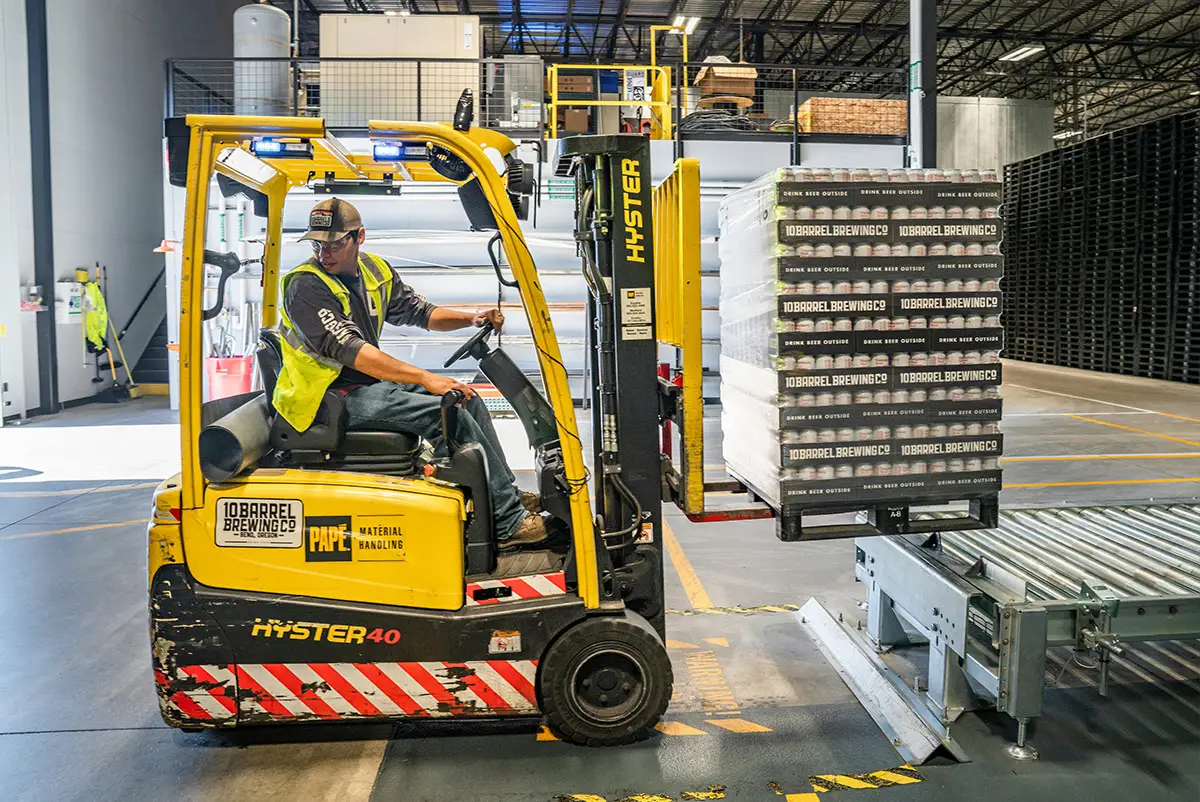
Seasonal warehouse staffing is the backbone of successful Q4 operations. Between October and December, warehouses face order volumes that can double or triple normal levels. The challenge? Finding enough qualified workers fast enough to meet demand without sacrificing quality or safety.
This guide covers proven holiday hiring strategies that help warehouse, distribution, and fulfillment operations handle peak season pressure while controlling costs and maintaining productivity.
Why Seasonal Warehouse Staffing Requires Early Planning
The best time to start seasonal warehouse staffing is 8-12 weeks before peak season begins. According to the U.S. Bureau of Labor Statistics, warehouse employment typically spikes 15-20% during the holidays. With that kind of competition for workers, waiting until November means settling for whoever’s left.
Early planning delivers three critical advantages:
- Accurate demand forecasting – Analyze last year’s order data to predict staffing needs
- Training time – New workers need 1-2 weeks to reach full productivity
- First pick of talent – The best seasonal workers get hired early
Working with a specialized staffing partner like Hire gives you access to pre-screened warehouse workers who can start immediately when your peak season hits.
Building Your Peak Season Staffing Mix
Smart seasonal warehouse staffing isn’t about hiring only temporary workers. The most successful operations blend full-time employees, temporary staff, and seasonal workers to create flexibility while maintaining quality.
Recommended Staffing Ratios for Peak Season:
- Core full-time staff: 60-70% (experienced workers who know your systems)
- Temporary workers: 20-30% (fill gaps, handle volume spikes)
- Seasonal hires: 10-20% (Q4-specific positions)
This mix enables you to scale up quickly while retaining experienced workers in critical roles.
5 Holiday Hiring Strategies That Actually Work
1. Start Recruiting Early
Target start date: 6-8 weeks before your peak begins. For most warehouses, this means recruiting in September for November operations.
Benefits of early seasonal warehouse staffing:
- 40% larger candidate pool (per Indeed Hiring Lab data)
- Time for background checks and certifications
- Ability to be selective about quality
2. Leverage Temp-to-Hire for Long-Term Wins
Temporary-to-hire roles solve both short-term and long-term staffing needs. You get workers immediately for peak season, then have the option to keep top performers permanently.
According to the American Staffing Association, 75% of temporary workers want permanent positions. Converting your best seasonal workers reduces next year’s recruiting costs.
3. Cross-Train Before the Rush
Cross-trained workers are 2-3x more valuable during peak season. Train warehouse workers on multiple roles (picking, packing, shipping) before volume increases.
Benefits:
- Cover call-outs without disruption
- Respond to sudden demand shifts
- Reduce overtime costs
4. Simplify Mobile-Friendly Applications
50% of job seekers apply via mobile devices (Glassdoor Economic Research). If your application process requires a desktop computer or takes more than 10 minutes, you’re losing candidates.
Peak season hiring moves fast. Make applications:
- Mobile-optimized (1-click apply when possible)
- Under 5 minutes to complete
- Transparent about pay and schedules upfront
5. Implement Quick Onboarding Systems
Every day of training is a day without full productivity. Streamline onboarding with:
- Short video tutorials (safety, equipment, systems)
- Digital checklists for new hires
- Buddy system pairing with experienced workers
Target: New warehouse workers at 80% productivity within 3-5 days.
Retention Strategies for Seasonal Workers
High turnover during peak season can cost 50-100% of a worker’s salary (Society for Human Resource Management). Keep seasonal workers engaged with:
Attendance Incentives
- Perfect attendance bonuses ($50-100 per week)
- Prize drawings for on-time arrivals
- Gift cards for hitting team goals
Flexible Scheduling
Seasonal workers often have other commitments. Offer:
- Shift swaps through scheduling apps
- Part-time options (20-30 hours/week)
- Weekend-only positions
Recognition Programs
Simple appreciation builds loyalty:
- “Worker of the Week” recognition
- Team lunches or pizza parties
- Thank-you notes from management
Result: Seasonal workers who feel valued are 60% more likely to return next year (SHRM research).
Aligning Seasonal Warehouse Staffing with Operations
Use historical data to predict your busiest times and schedule accordingly. Most warehouses see peaks:
- Monday mornings (weekend order backlog)
- Wednesday-Thursday (mid-week volume)
- 2-3 days before major holidays
Add 20-30% extra coverage during these windows.
Contingency Planning
Always have backup workers available for:
- Unexpected call-outs (plan for 5-10% daily absences)
- Last-minute order surges
- Equipment breakdowns requiring additional manual labor
Work with staffing partners who offer 24-hour emergency placement for these critical situations.
Technology Integration
Connect your WMS, scheduling, and HR systems to spot problems early:
- Real-time productivity tracking
- Automated alerts for coverage gaps
- Predictive analytics for staffing needs
Modern warehouse management systems integrate with staffing platforms to optimize scheduling.
Common Peak Season Staffing Mistakes to Avoid
Waiting until October/November to start hiring. Solution: Begin recruiting in August/September
Hiring only temporary workers with no experience. Solution: Blend experienced temps with seasonal newbies
Skipping safety training to save time. Solution: Quick safety training prevents costly injuries and OSHA violations
Ignoring worker feedback and engagement. Solution: Regular check-ins improve retention
No backup plan for staffing shortages. Solution: Partner with emergency staffing services
How Hire Supports Seasonal Warehouse Staffing
Hire specializes in seasonal warehouse staffing for Columbus, Jackson, Chillicothe, and Fort Worth operations. Our approach includes:
- Pre-screened candidates ready to start within 24-48 hours
- Certified forklift operators and experienced warehouse workers
- Flexible arrangements (temporary, temp-to-hire, seasonal-only)
- On-site management for large-scale operations
- 24/7 emergency coverage for unexpected needs
With 20 years of warehouse staffing experience, we understand the rhythm of peak season and help you build teams that can handle the pressure.
Peak Season Staffing Checklist
8-12 Weeks Before Peak:
- Forecast staffing needs based on order projections
- Contact staffing partners (like Hire)
- Create job descriptions and pay structures
- Plan onboarding and training schedules
4-6 Weeks Before Peak:
- Begin active recruiting
- Screen and interview candidates
- Cross-train existing employees
- Test scheduling systems and backup plans
2-4 Weeks Before Peak:
- Onboard and train new seasonal workers
- Run practice scenarios with full teams
- Confirm contingency staffing availability
- Communicate expectations clearly
During Peak Season:
- Monitor productivity and attendance daily
- Recognize and reward strong performers
- Address issues immediately
- Track which workers to keep long-term
Prepare Your Workforce for Peak Season Success
Successful seasonal warehouse staffing requires planning, flexibility, and the right staffing partner. Start early, build a balanced team, and keep workers engaged throughout the rush.
Hire helps warehouses, fulfillment centers, and distribution operations handle peak season with confidence. From early planning support to emergency coverage, we provide the workforce solutions you need when it matters most.
Ready to staff up for peak season? Contact Hire at 740.395.0100 or visit thinkhire.com to discuss your holiday hiring needs.