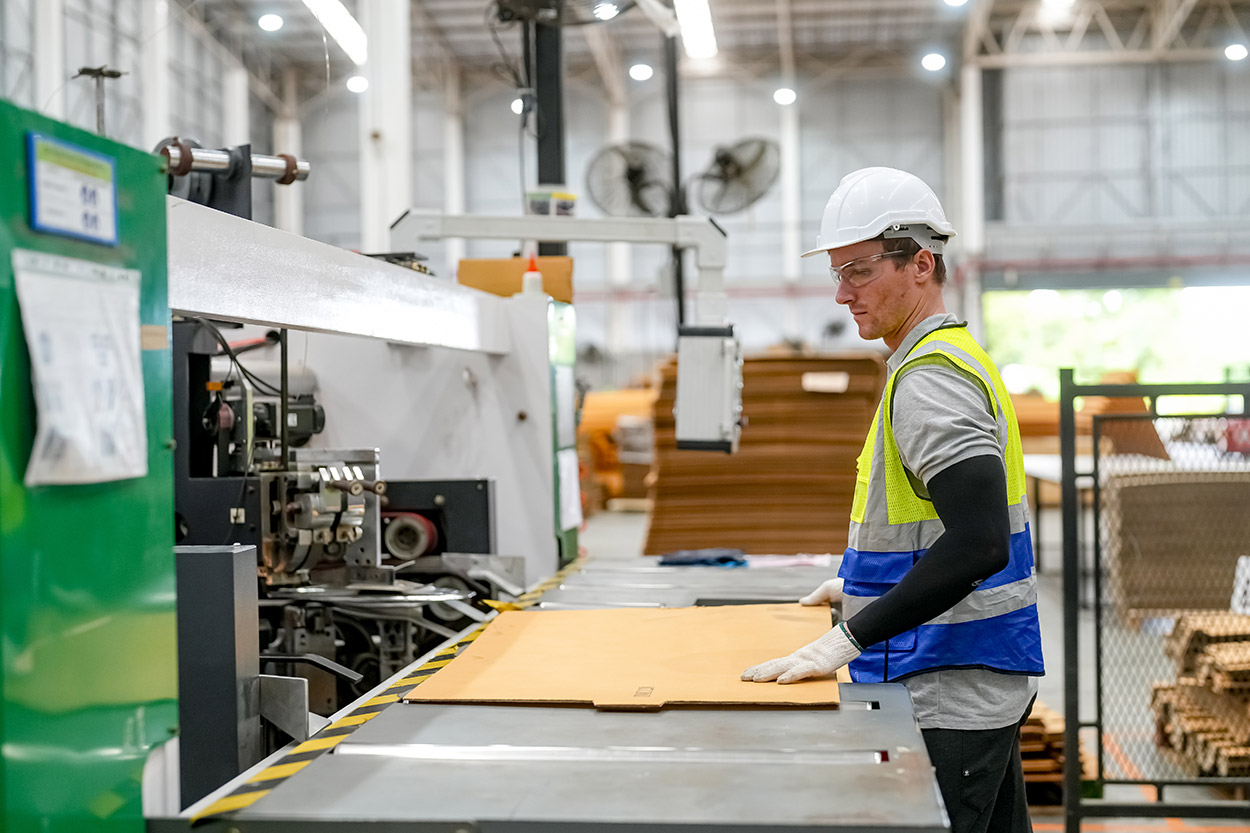
In today’s competitive labor market, finding reliable workers for light industrial roles remains one of the biggest challenges companies face. Line workers, packaging associates, quality inspectors, and forklift operators form the backbone of production, warehousing, and logistics operations—yet attracting the right candidates continues to be a struggle for many employers.
The widening skills gap makes identifying candidates with appropriate experience for industrial roles increasingly difficult. As experienced workers retire, companies face challenges hiring qualified replacements. The U.S. Bureau of Labor Statistics predicts continued job growth for many light industrial positions over the next decade, intensifying the competition for talent.
Finding the right fit goes beyond filling a role quickly. It’s about identifying candidates whose background and skills align with long-term success. Otherwise, you risk joining the 75% of employers who admit to hiring someone who wasn’t qualified or the right match.
Here’s why candidate experience matters more than ever in industrial staffing, and how companies can leverage both proven work history and transferable qualities to build stronger, more resilient teams.
Safety Must Come First
For 25 years, Liberty Mutual Insurance has released a Workplace Safety Index that identifies the top 10 causes of workplace injuries and the costs to employers. The most recent index released in 2025 shows the staggering costs associated with the top causes of workplace injuries—those causing a worker to miss more than five days of work.
The 10 causes—which included injuries like overexertion in manual material handling, falls on the same level, and being struck by an object—cost a whopping $58.78 billion.
The last thing you want is to hit the ground running with a new candidate, only for it to come to a halt. Candidates with prior industrial experience typically possess a strong grasp of OSHA standards, lockout/tagout procedures, and other critical safety protocols. They recognize hazards, handle equipment properly, and avoid shortcuts that could lead to accidents.
A new hire with industrial experience immediately contributes to a safer work environment, protecting both your employees and your bottom line.
Automation Raises the Bar for Technical Skills
As automation becomes more prevalent in manufacturing and warehousing, light industrial roles demand higher technical skill levels than in years past. Today’s employers need workers who can operate machinery, manage logistics systems, and troubleshoot production line issues—skills that aren’t always easy to find.
Many companies struggle to identify candidates with the right background in equipment operation, logistics management, or assembly processes. This makes experience an even more critical hiring factor, since workers familiar with automated systems can step in with minimal training and help operations run smoothly.
Productivity Depends on Operational Familiarity
Experienced workers understand the pace and physical demands of light industrial roles. Whether handling repetitive assembly line tasks or precision quality control work, these employees hit the ground running safely.
This familiarity translates to less time and money spent on onboarding and training. A candidate who has already worked with automated packaging machines or scanning systems won’t require weeks of adjustment before becoming productive—they can start meeting output goals from day one.
The Right Experience Reduces Employee Turnover
Hiring someone unprepared for the demands of industrial work often leads to high turnover. Workers new to the sector commonly underestimate the physical requirements or the need for consistent attendance in shift-based environments.
Candidates with prior light industrial experience have already demonstrated they can handle these demands. They’re less likely to burn out or leave unexpectedly, saving companies from the disruption and cost of constant replacement.
High turnover creates expensive hidden costs beyond hiring and training expenses. New hires make more mistakes in fast-moving environments, and workflow disruptions can lead to missed deadlines—ultimately damaging your reputation and customer relationships.
Adaptability in a Changing Industry
Industrial operations constantly evolve. Demand fluctuates, processes change, and technology continues transforming how warehouses and factories operate. Workers with varied light industrial experience demonstrate greater adaptability, switching between roles or adjusting to new procedures quickly.
Someone who has worked both on the production line and in shipping may be better equipped to step in when another department faces staff shortages. This flexibility strengthens workforce resilience, allowing companies to maintain productivity during unexpected changes.
Looking Beyond Traditional Industrial Experience
Workforce demographics are shifting. Many young people, especially Gen Z, are rethinking career expectations. While some may lack traditional industrial experience, they often bring valuable transferable skills and qualities that make them strong long-term candidates:
- Reliability and attendance from retail, food service, or hospitality roles
- Attention to detail from tech support, customer service, or academic projects
- Teamwork and collaboration from group-based jobs or extracurricular activities
- Comfort with technology, quickly adapting to digital systems used in warehouses and manufacturing
Consider this: Gen Z is struggling as a generation to find jobs. Recent analysis from the Bank of America Institute found that unemployment rates for recent college graduates now exceed rates for all workers combined.
This presents an opportunity for companies with light industrial roles to tap into a motivated pool of younger workers who may lack direct warehouse experience but bring transferable skills and willingness to learn.
For employers, this means broadening your definition of candidate experience. Someone who has never worked in a warehouse but excelled in a fast-paced restaurant environment may possess the stamina, problem-solving skills, and consistency to thrive in industrial work.
How Staffing Partners Bridge the Gap
This is where the impact of talent agencies that specialize in industrial roles adds tremendous value. A relationship-driven partner understands your challenges, helps job seekers develop their qualifications, and matches you with qualified employees aligned with your business needs.
These partners know what experience specific jobs require—whether forklift certifications or prior assembly line work—and which qualities transfer effectively from other industries.
Professional staffing firms can:
- Pre-screen for safety knowledge and certifications
- Evaluate attendance and reliability from prior employment
- Assess transferable skills that make candidates good long-term fits
- Match candidates to roles where they can succeed, whether they’re seasoned workers or first-timers eager to grow
By leveraging both experience and potential, staffing partners help companies avoid costly mis-hires while maintaining the steady workforce they need.
Building Your Workforce for Today and Tomorrow
In light industrial staffing, the right candidate experience has never been more important. Workers with proven industrial backgrounds bring immediate value in safety, productivity, and quality. At the same time, growing demand for these roles means companies can’t ignore candidates without direct experience who demonstrate reliability, adaptability, and willingness to learn.
At Hire, we specialize in solving workforce shortages by connecting businesses with experienced candidates. The result is a stronger, more dependable workforce that keeps your operations running smoothly today while preparing for tomorrow’s demands.